Surfaces and Structures That Withstand Daily Use
Hardscaping Services in Corpus Christi for properties needing walkways, patios, retaining walls, and outdoor gathering spaces
Coastal humidity and soil movement in Corpus Christi create challenges for hardscape installations, where improper base preparation leads to settling, cracking, and surface displacement within the first year. Top Dog Lawn Service constructs walkways, patios, retaining walls, and outdoor gathering spaces designed to handle foot traffic, drainage flow, and soil expansion without requiring frequent releveling or joint repairs. The process accounts for soil compaction, drainage slope, and material selection to produce surfaces that remain stable through seasonal moisture changes and the occasional heavy rain event common along the Texas coast.
Walkway and pathway construction includes base excavation, compacted aggregate layers, and material placement that allows water infiltration while preventing erosion. Retaining walls are built with drainage provisions behind the wall face to relieve hydrostatic pressure that causes leaning and failure, while patio installations slope away from structures to direct water runoff and prevent pooling.
Arrange an on-site evaluation to review your property's grade, drainage patterns, and soil conditions before selecting materials and layout.
What Separates Stable Hardscapes from Failing Installations
Base preparation determines long-term stability—excavation removes organic soil that compresses unevenly, and aggregate base layers are compacted in lifts to create a stable platform that resists settling. Decorative stone installations include edge restraints to prevent lateral spreading, while patio construction uses sand or gravel beds that allow minor adjustments without cracking rigid mortar joints. Retaining walls incorporate drainage aggregate and weep holes to release water pressure, preventing the bulging and collapse caused by saturated soil pushing against the wall.
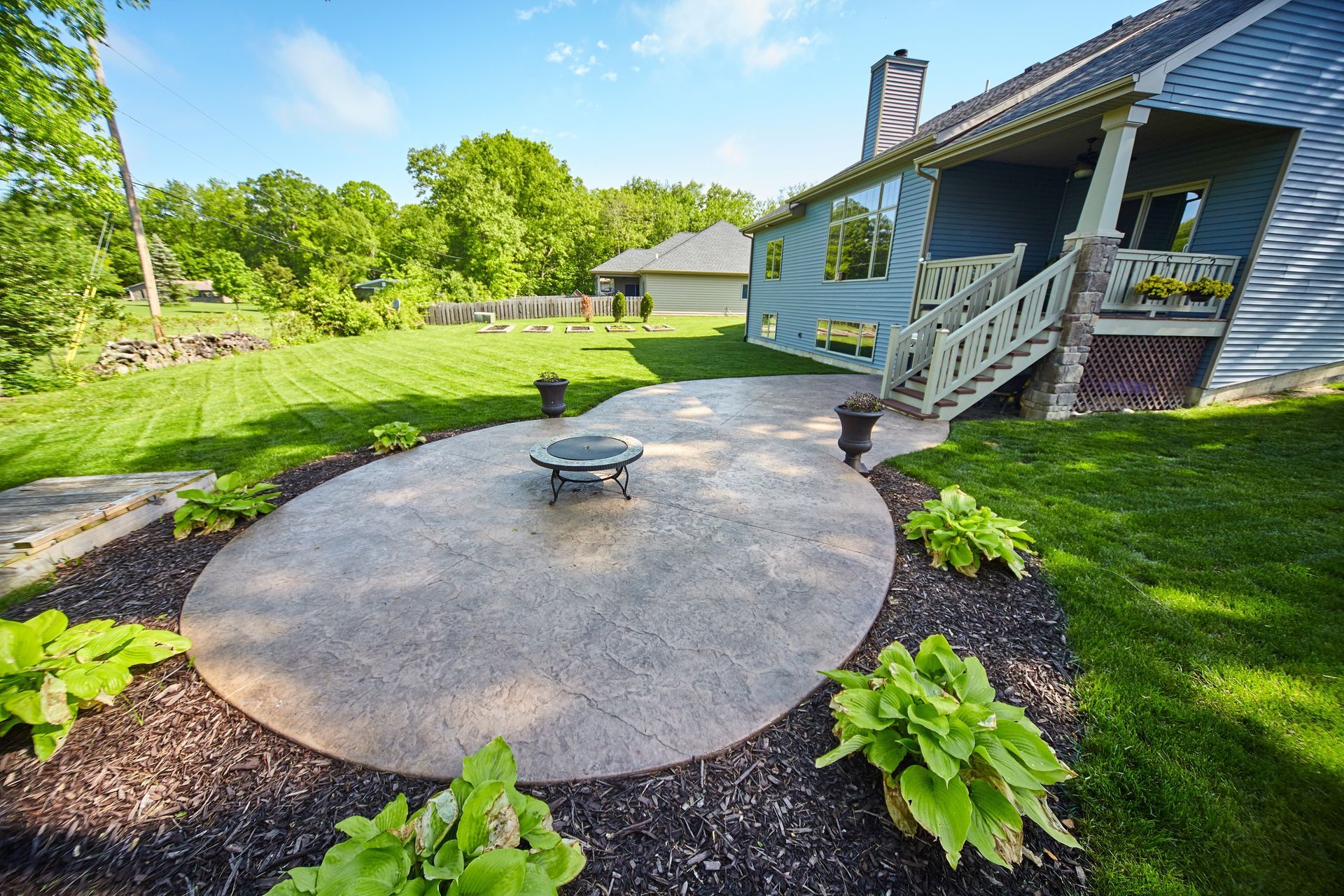
After construction is complete, you'll notice level walking surfaces without trip hazards, patios that shed water quickly after rain, and retaining walls that remain plumb without leaning or separation at joints. Outdoor gathering spaces become usable immediately after installation, with surfaces firm enough to support furniture and foot traffic without sinking or shifting under load.
Landscape edging installed with hardscapes maintains separation between turf and stone surfaces, preventing grass encroachment and soil erosion that undermines edges. Material selection considers intended use—pavers for high-traffic areas where individual units can be replaced if damaged, flagstone for natural appearance in lower-traffic zones, and poured surfaces for large patios requiring seamless expanses without joint lines.
Common Concerns Before Hardscape Projects
Clients want to understand how installations handle local soil and weather conditions, and what differentiates quality work from installations that fail prematurely.
How does base preparation prevent settling and cracking?
Proper base preparation involves removing unstable organic soil, compacting aggregate in layers to achieve firm support, and ensuring adequate depth for the intended load. Insufficient base thickness or poorly compacted aggregate allows settling that creates uneven surfaces and cracked joints within months of installation.
What drainage considerations matter for patios and walkways in Corpus Christi?
All hardscapes must slope away from structures to direct water runoff, and permeable joints or drainage gaps prevent water from pooling on the surface. Coastal rain events deliver high volumes quickly, so installations without drainage provisions flood and erode base material, causing surface displacement.
How are retaining walls built to resist soil pressure?
Walls include drainage aggregate behind the face to relieve water pressure, and weep holes or drainage pipe at the base allow water to escape. Walls without drainage provisions experience hydrostatic pressure from saturated soil, leading to leaning, cracking, and eventual collapse.
What materials work best for high-traffic walkways?
Pavers and flagstone handle foot traffic well and allow individual unit replacement if damage occurs, while poured concrete provides seamless surfaces but requires full section replacement if cracks develop. Material choice depends on aesthetic preference and willingness to manage joint maintenance.
How long does it take for new hardscapes to be fully usable?
Most installations are usable immediately after compaction and material placement, though base material may require a settling period before heavy furniture or equipment is placed. Paver installations benefit from joint sand settling during the first rain, after which sand is topped off to lock units in place.
Top Dog Lawn Service builds hardscape features based on soil conditions, drainage realities, and how the space will be used. Set up a project consultation to discuss material options and construction methods suited to your property's specific conditions.